Hypnosystemic Counselling and Interventions, M.Sc

Faculty

Faculty of Psychotherapy Science

Duration / ECTS

4 semesters / 120 ECTS

Academic degree

Master of Science (M.Sc)

Curriculum

Curriculum (PDF, in German)

Type of study

part-time

Language of instruction

German

Place of realisation

Vienna

The university course Hypnosystemic Counselling and Interventions is no longer offered – no more new applicants are accepted.

Curriculum and Modules

The Master’s degree programme in Hypnosystemic Counselling and Interventions comprises 8 modules with 120 ECTS. Hypnosystemic theory and practice is ideally suited to the development and promotion of the working world in business, non-profit organisations and the public sector.

It combines hypnotherapy according to Milton H. Erickson with its humanistic basic assumptions with systemic therapy, counselling and treatment approaches that meet the requirements described in a particularly effective way. Hypnosystemic intervention techniques are efficient methods for professionally identifying and dealing with clients’ potential problems.

Module 1
Basics of hypnosystemic counselling | 8.5 ects

Definition and mode of action of hypnosystemic techniques, hypnosystemic strategies, hypnosis essentials, history of the (hypno-)systemic approach, hypnosis and systemic thinking, therapeutically and counsellingly usable phenomena and their objectifiable indicators, literature seminar, hypnosystemic thinking and acting

Module 2
Hypnosystemic communication and intervention techniques | 14 ects

Communication, hypnosystemic counselling methods and interventions, verbal and non-verbal communication, indirect communication, hypnosystemic work in organisations and institutions and in practice, use of stories and metaphors, use of trance phenomena, use and effect of voice and sound, speaking techniques in counselling work, basics of psychosocial counselling

Module 3
Work and organisational psychology | 10 ects

Basic concepts of work and organisational psychology, management concepts, disorders in working life, occupational illnesses and prevention approaches, stress, burnout

Module 4
Diagnostics, disorders, resilience | 5 ects

Psychiatric, psychological and psychotherapeutic diagnostics and classification, client-related data collection and data collection, anamnesis, process analysis, survey techniques, diagnostics and classification with ICD 10 and DSM IV, case vignettes, sleep as a regeneration tool, sleep disorders and sleep deprivation

Module 5
Scientific and research methodology | 40 ects

Fundamentals of scientific theory, qualitative research methods, empirical quantitative research methods, Master’s topic identification seminars, writing workshops to support the writing of the Master’s thesis

Module 6
Self-awareness and self-reflection | 3 ects

Self-awareness with hypnotherapeutic, imaginative and systemic methods offers the opportunity to understand and deepen the techniques learnt in the basic hypnosystemic seminars (e.g. association, dissociation, time regression, time progression, anchoring, working with symbols) through one’s own experience. Group trances and individual work with these methods enable participants to recognise their own resources and experience healing inner processes

Module 7
Practice/ practice supervision/ peer group work I 17.5 ECTS

Students are required to complete an internship or various internships during the course of the programme. Furthermore, if this is not credited to them due to their previous training as psychotherapists or life and social counsellors, they must carry out counselling units with clients as preparation for their practice as counsellors using the methods taught to them in the degree programme.
These counselling units are to be discussed with the respective lecturers (teaching supervisors) in the supervision sessions offered in the degree programme and subjected to a review of the approach used (teaching supervision).
In the peer groups provided for in the degree programme, the content learned is to be discussed and literature is to be jointly prepared and developed. Furthermore, the counselling units are to be reflected upon together. This process is generally referred to as intervision in the counselling context. Feedback must be received accordingly and a further development process generated from this. It is also beneficial for students to practise counselling processes with each other in peer groups. The practical application of the methods learnt makes it possible to develop a certain routine that can lead to personal confidence in application. Minutes must be taken of the processes in the peer groups and submitted to the course management for review.

Module 8
Master’s thesis | 22 ects

Master’s thesis and Master’s examination

Lecturers

in alphabetical order

University Professor Dr. Dr. Alfred Barth

  • Head of the Institute of Psychology at the SFU Linz
  • Founder & Head of the Academy for the Training of Occupational Physicians
  • Founder & Head of the Academy for the Training of Clinical Psychologists
    Mail: alfred.barth@sfu.ac.at

Professor DDr. Kurt Greiner

  • Theorist of science and research methodologist
  • Basic research in psychotherapy science
  • Inventor of “experimental and imaginative hermeneutic psychotherapy science”
  • Co-founder of the “Institute for Hermeneutic Therapy School Research and Therapy School Dialogue” at the SFU Vienna
    Mail: kurt.greiner@sfu.ac.at

Dr phil. Dipl. Psych. Alexander Herr

  • Psychologist, group psychotherapist
  • Systemic therapist (SG), hypnotherapist (MEG),
  • Hypnosystemic coach (MEIHEI) and unitive / integrative body psychotherapist (ZIKP)
  • Active in the management of the sysTelios clinic since 2017

Ingrid Jenkner, MSc

  • Systemic family therapist, coaching, supervisor
  • Infant, child and adolescent psychotherapist
  • Hypnotherapist
  • Trauma therapist
  • Workshops, lectures and teaching activities
    www.gutertag.at

Alice Karall, MSc

  • Certified Psychological Counsellor
  • Deputy Chairwoman of the Milton Erickson Academy MEA Vienna
  • Lecturer on the Hypnosystemic Counselling & Interventions Master’s course at SFU Vienna
  • Hypnosystemic counselling in own practice

Thomas Klock, MSc

  • Communication trainer and speech coach
  • Hypnosystemic and psychological counsellor
  • Management consultant
    www.thomasklock.at

Dr. Elisabeth Ponocny-Seliger

  • Clinical and health psychologist
  • Occupational psychologist of the Austrian Professional Association of Psychologists (BÖP)
  • University lecturer at the University of Vienna, SFU, Danube University, Modul University
  • Managing Director of “Coaching and Gender & Diversity Research”
    Mail: elisabeth.ponocny-seliger@gender-research.at

Mechthild Reinhard

  • Qualified educationalist, systemic family therapist, supervisor, head of the ISB Institute
  • Co-founder and managing director of the sysTelios Clinic
  • Former Chairwoman of the Board of the German Association for Systemic Pedagogy e.V.
  • Lecturing, further education and supervision activities, including on the subject of “hypnosystemic pedagogy”

MMag. DDr. Gudrun Salamon

Dr. med Dipl. rer. pol. Gunther Schmidt

  • Specialist in psychosomatic medicine and psychotherapy
  • Director of the Milton Erickson Institute Heidelberg
  • Medical Director and Managing Director of the sysTelios Clinic in Siedelsbrunn
  • 2nd Chairman of the Milton H. Erickson Society for Clinical Hypnosis e.V. (M.E.G.)
  • Co-founder of the German Coaching Association (DBVC)
  • International teaching activities

Dipl.-BW (FH) Andrea Schörghofer-Tomassich

  • Tourism management assistant, management consultant
  • Hypnosystemic counsellor, trainer, coach
  • Lecturer in business counselling at FH Wr.Neustadt
  • Lecturer at ÖPWZ and SFU Vienna
  • Master’s course in Hypnosystemic Counselling and Interventions at the SFU Vienna
    Mail: andrea.schoerghofer@aon.at / +43 664 325 64 28
    www.schoerghofer.co.at

Mag.pth. Peter Schweighofer, BA MSc

  • Management Consultant
  • Certified psychological counsellor, coach
  • Managing Director of the Milton Erickson Academy Vienna
  • Training officer at the Milton Erickson Academy Vienna
  • Master’s course and ULG Hypnosystemic Counselling and Interventions at the SFU Vienna
    Mail: peter.schweighofer@sfu.ac.at

Univ.-Ass. MMag. Dr Ernst Vitek, MSc.

  • Psychotherapist, Supervisor, Coach
  • Chairman of the Milton Erickson Academy Vienna
  • Head of the ULG and Master’s programme in Hypnosystemic Counselling and Interventions at the SFU Vienna
    Mail: ernst.vitek@sfu.ac.at

Professor DDr. Josef Zeitlhofer

  • Specialist in neurology and psychiatry (private practice)
  • Psychotherapist, clinical and health psychologist
  • Member of the ÖAGG, ÖGATAP and the IP
  • Member of the European Sleep Research Society (ESRS) and the Austrian Society for Sleep Medicine and Sleep Research (ÖGSM-ASRA)
    Mail: josef.zeitlhofer@meduniwien.ac.at

Degree

Academic degree:

Graduates of the Master’s programme are awarded the academic degree “Master of Science (M.Sc)” (120 ECTS).

Accreditation

The university course “Hypnosystemic Counselling and Interventions” was accredited by the Agency for Quality Assurance and Accreditation Austria (AQ Austria) in 2015.

Contact us

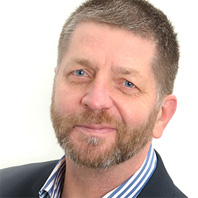
Portrait Ernst Vitek

Univ.Ass. MMag. Dr Ernst Vitek, MSc

Programme Head
Mail: ernst.vitek@sfu.ac.at
Phone: +43 664 420 33 47

more

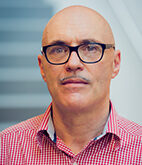
Portrait Kurt Greiner

Professor Dr Kurt Greiner

Scientific Head
Mail: kurt.greiner@sfu.ac.at

more

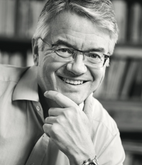
Portrait Schweihofer Peter

Mag.pth. Peter Schweighofer, BA MSc

Training Officer
Mail: peter.schweighofer@sfu.ac.at
Phone: +43 660 130 68 88

more

Address

Faculty of Psychotherapy Science
Sigmund Freud Private University Vienna
Freudplatz 1, 1020 Vienna

back to the top